Grasping the House Edge and Why It Counts
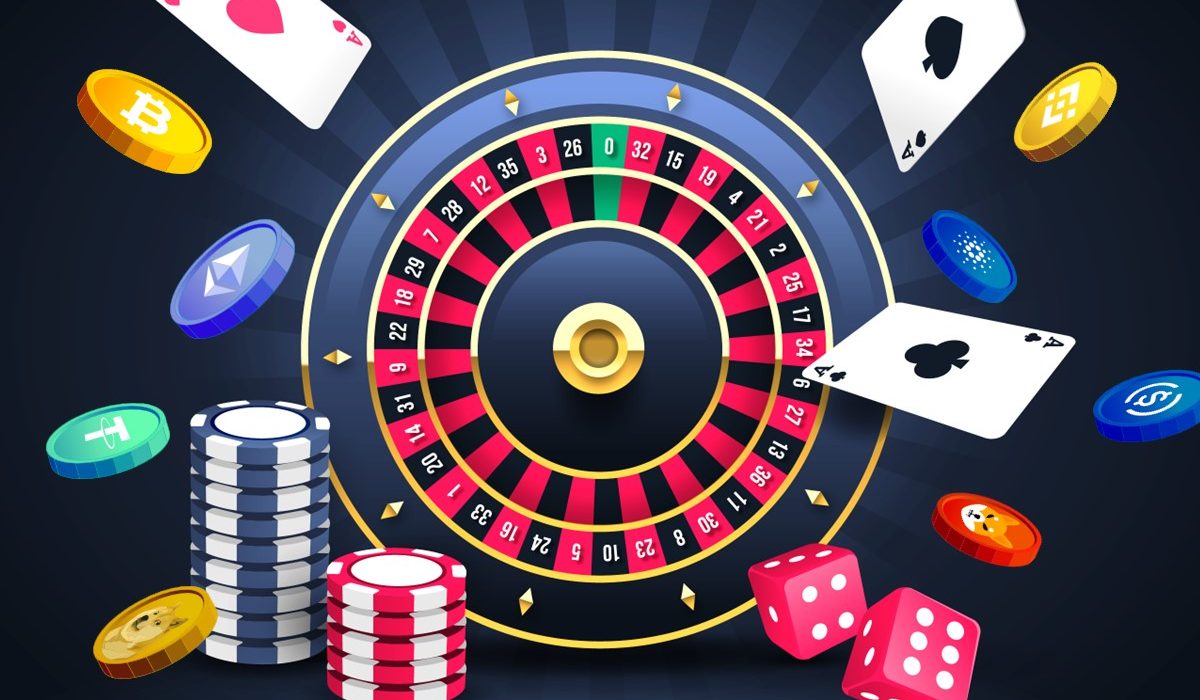
The house edge is the casino’s built-in mathematical advantage, and it is detailed in the rules twindor-casino.biz.pl. In European roulette, a single zero creates a 2.70% edge because a straight-up win pays 35 to 1 while the true odds are 36 to 1. That gap means the casino expects to keep about €2.70 for every €100 wagered over time. I treat this as the cost of entertainment, not a hidden trick. At Twindor Casino, each table shows whether it follows European or American rules, and the American wheel with its extra double zero nearly doubles the edge to 5.26%. Before I place a bet, I open the game information panel and read the exact rule sheet. The edge is not vague; it is a fixed number built into the paytable. Checking it stops me from walking into a game that works harder against me than I intended.
Small rule changes shift blackjack edges by fractions that become real money over a session. A dealer standing on soft 17 instead of hitting reduces the house edge by about 0.20%, and allowing double after split cuts another 0.14%. The payout for a natural is even more important: 3 to 2 keeps the edge near 0.50%, while 6 to 5 pushes it above 1.40%. At Twindor Casino, I treat the blackjack rule screen as a checklist. I confirm the number of decks, the dealer’s soft 17 rule, and whether surrender or double after split is available. Then I adjust basic strategy to match the exact conditions. That transparency is what makes rules worth studying, and it prevents me from playing a table that looks fine but quietly gives the casino a larger share than I planned.
The Role of Player Return in Slot Games
Player Return, or RTP, is the percentage of wagers a slot is designed to return over a long period. It is not a guarantee for my session; it is a calculated average based on millions of spins. A 96% RTP game is built to return €96 for every €100 wagered in the long run. I look at this number first when I open a new title at Twindor Casino. The rules dictate the figure, and reliable providers have games tested by independent labs. A greater RTP tells me the hold is less aggressive, even if it does not promise I will win today. I usually prefer slots above 96%, and the platform shows RTP transparently in the game information panel. That clarity lets me make an knowledgeable choice before I invest real money.
What many players overlook is that RTP combines with volatility in ways the rules can clarify. A high-RTP slot with extreme volatility can still deplete a balance quickly if big wins are scarce, while a medium-RTP game with low volatility may keep me playing extendedly. Some games show a slightly altered RTP when I use a bonus buy feature to enter free spins straightaway. I always confirm that detail because it can modify the long-term return by a fraction of a percent. At Twindor Casino, the help section provides the base game RTP and any feature-specific adjustments. Checking it turns an abstract percentage into a useful bankroll tool. I have never regretted the minutes spent on that check, because it establishes my expectations before the spins begin.
Payment Rules: Processing Times, Caps, and Validation
Payment rules belong to the casino experience, and being aware of them in advance eliminates most withdrawal anxiety. At Twindor Casino, the cashier section shows deposit and withdrawal methods, processing times, and limits. E-wallet payouts are frequently handled within 24 hours after approval, while bank transfers could take three to five business days. I check minimum and maximum limits before requesting a payout, and I note the pending period when a withdrawal can be reversed. That transparency aids me plan and prevent impulsive decisions. A minimum withdrawal of €20 is common, but I prefer to see it in writing. The rules also detail currency handling. Since I like playing in Polish złoty when supported, I verify whether deposits are processed directly or converted, because conversion fees can quietly reduce my balance. Reading these rules renders the timeline predictable rather than mysterious.
Payout Schedules and Identity Checks
Withdrawal rules show how fair a casino really is. At Twindor Casino, the verification process is called KYC, and it needs proof of identity, address, and sometimes payment method ownership before a first withdrawal. I complete that step early to prevent delays later. The processing timeline normally includes an internal review period and the provider’s transfer time. The rules also mention weekly or per-transaction withdrawal caps, which count because a large win may be paid in installments. I do not view these as obstacles; they shield both the casino and my funds. Knowing the schedule enables me request a payout with realistic expectations. Deposit methods also have fine print, such as the minimum amount to activate a bonus or the need for an e-wallet registered in my own name. A smooth banking experience starts with reading those paragraphs.
The Hidden Value of Bonus Terms and Terms
Promotional deals look generous, but the rules attached to them determine whether a promotion is worthwhile. I review the terms at Twindor Casino before signing up. The wagering requirement is the first detail I check. It shows how many times I must wager the promotional sum before a payout is available. A 100% match with a 30x term means I bet 30 times the bonus sum, not just the stake. The rules also specify which games count and at what portion. Slots usually contribute 100%, while live games may contribute 10% or zero. If I overlook that point, I could waste hours on a title that barely reduces the target. The conditions set clear boundaries, and checking them avoids frustration. I consider the offer rules as part of the play guidelines.
Wagering Requirements and Game Contributions
Wagering requirements divide into three components: the rate, the expiration, and the maximum bet allowed. At Twindor Casino, a common introductory promotion may carry a 35x requirement. I determine the complete turnover and compare it with my betting amount. The expiration matters because failing to meet it invalidates the promotion and gains. The maximum bet rule is equally critical; many offers cap a wager at €5 per round, and surpassing it can cause confiscation. Game percentages also affect the strategy. I look at the contribution table and use approved games with full 100% contribution. Card games often sit between 5% and 20%, so I skip them during playthrough unless I understand the additional amount. These aspects transform a unclear offer into a feasible approach.
Why Table Game Rules Deserve a More detailed Look
Table games favor rule knowledge more directly than any other category. In blackjack, the dealer’s rules are fixed, but my decisions are not. The rules inform me whether I can double on any two cards or only on hard 9, 10, or 11, and whether I can resplit aces. Every detail changes optimal strategy. At Twindor Casino, I pull up the table rules before I sit down and adapt my play. A table that permits late surrender is different one that does not, and the rules make that evident. They are not there to harm me; they define the game. Once I learn them, I can make decisions that maintain the house advantage to its lowest practical point. That is a genuine edge over someone who plays by feel and never reads the rule sheet.
Twenty-One and Roulette Rule Variations
Blackjack and roulette illustrate how small rule tweaks count. A 3-to-2 blackjack payout is typical, while 6-to-5 raises the house edge noticeably. A dealer standing on soft 17 is more beneficial than one who hits. In roulette, the number of zeros is the critical rule. European roulette has a 2.70% edge, while American roulette with a double zero hits 5.26%. French roulette with the la partage rule returns half an even-money bet on zero, lowering that edge to 1.35%. At Twindor Casino, I always verify the table name and description before placing a chip. These rule variations do not alter the randomness of the spin or card, but they allow me pick the version that gives the best mathematical chance.
How Game Mechanics Determine Your Winning Odds
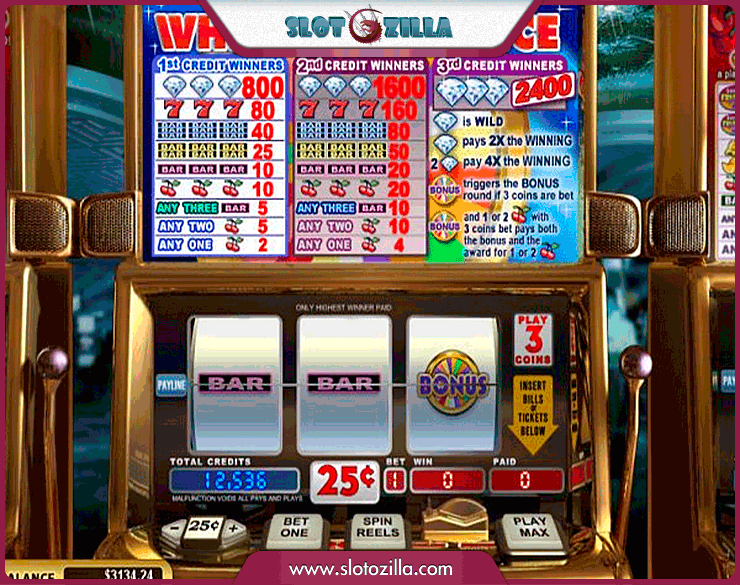
The odds in every game are a direct result of its rules, and reading them changes how I see every spin or hand. At Twindor Casino, every slot has a paytable listing how combinations form, what symbols pay, and whether features like expanding wilds or multipliers exist. The rules determine the reel layout, the number of paylines, and the hit frequency. A 243-ways slot operates under a different mathematical model than a classic three-reel game with one payline. I leverage that information to judge whether a jackpot is realistically reachable or the game is built for smaller, frequent wins. The rules also inform me whether three scatters trigger a bonus anywhere or only on specific reels, which changes how I perceive a near miss. Without that detail, I would be guessing inside a precise system, and that rarely ends well.
Slot Paytables and Risk
The paytable is the most overlooked tool in any slot. It lists symbol values and explains wild substitutions, scatter pays, and free spin triggers. At Twindor Casino, I can view the paytable with one tap before betting. The rules clarify whether the top jackpot requires a maximum bet or fixed paylines, and they often label volatility as high or low. High-volatility slots award less often but can deliver larger wins, while low-volatility games offer steadier, smaller payouts. I match that rhythm to fit a slot to my session budget and patience. This habit formed after too many sessions chasing features I did not understand. A few seconds with the rules can transform a random spin into an intentional choice, and that is exactly the value I expect before I risk money.
Regulation, Safety, and Fair gaming Rules
The regulations that oversee a casino’s operation are as essential as the rules inside the games. Twindor Casino operates under a approved regulatory body, which applies stringent obligations on game fairness, fund separation, and data safeguarding. The license number is usually in the website footer, and I can confirm it on the regulator’s public register. That license signifies the games are checked by unbiased testing agencies like eCOGRA or iTech Labs. Certified random number generators assure outcomes are not manipulated. When I play at a regulated casino, the RTP numbers I read in paytables are confirmed by actual testing, not marketing assertions. This oversight provides me assurance to add money and center on the games rather than concern that the deck is biased beyond the declared house edge.
Random number generator certification is mandatory for me. The licensing authority demands every game’s RNG to generate unforeseeable and numerically separate results. Testing labs run millions of modeled rounds and match actual payouts with the theoretical RTP. If the deviation falls within an tolerable margin, the game succeeds. I seek testing agency logos on the casino’s homepage or in the game rules. That indicates me a slot is not fixed to refuse a jackpot until a threshold. The rules also prohibit a casino from altering a game’s math after certification without re-testing. Safe gaming tools are part of the system too. Deposit limits, loss limits, session reminders, and self-exclusion options are documented in the policy. I employ these measures to maintain my spending within a planned range, and their presence indicates me the operator takes player safety responsibly.
Mobile Play and Interface Guidelines: Uniformity Across Devices
I once worried that playing on a phone might alter the rules or the odds, but the game system stays the same across devices. Twindor Casino runs the same certified games with the same RTP and random number generators on mobile. The interface conforms to a smaller screen, but the paytable, rules page, and wagering options remain reachable with a tap. I test this by loading the same slot on a laptop and phone and checking the information panels. The rules do not diminish or vanish; they are reorganized for touch navigation. That consistency means I can trust my strategy anywhere. I often review a game’s rules on my phone during a commute and play later on a larger screen, and the switch is smooth. The core mechanics never shift based on the device.
What I like most is that mobile rule screens are optimized for quick reference. I can swipe through the paytable, check bonus terms, and use responsible gaming tools without exiting the game. Live dealer games on mobile utilize the same drawing rules and reward structure as desktop. I have tried live blackjack on a tablet while away, and the rules was exactly what I anticipated. The only difference is the layout, and I adapt within a few hands. Recognizing the rules are device-independent removes a layer of doubt. It allows me focus on decisions that matter instead of wondering whether the odds shifted. The math stays the same on Android and iOS, and that standard matters before I deposit real money. The rules are not an add-on in mobile design; they are embedded in the experience.
Applying Game Rules to Create a Better Betting Strategy
The rules are the starting point for any dedicated betting strategy. At Twindor Casino, I choose a game whose rules I comprehend thoroughly, and I create my session plan around them. In blackjack, I employ a basic strategy chart that fits the exact table conditions. In roulette, I stick to even-money bets on French wheels with la partage to cut the house edge. In slots, I choose games with understandable paytables and bonus features I recognize how to trigger. The rules indicate the maximum bet that is eligible for a jackpot, the number of free spins I can retrigger, and the volatility to expect. That information shapes my bet sizing, session length, and stop-loss limits. I do not rely on hunches; I base decisions on documented mechanics. Luck still matters, but the rules supplant guesswork with a framework I can hone.
Free Play Mode and Bankroll Discipline
Practice mode is an underused rule-learning tool at Twindor Casino. Before betting real money on an unfamiliar game, I launch the free-play version and study the rules in action. I trigger bonus rounds, experiment with bet sizes, and watch how the paytable works. The rules are static on the screen, but free play mode lets me observe them in action without financial pressure. I note how often wilds appear, how scatters reward, and whether a gamble feature is worth the risk. For video poker, I work on correct hold decisions based on the paytable. Bankroll management also stems from the rules. I size bets so I can handle the variance a game’s volatility produces, and I establish a loss limit based on the house edge and intended playtime. The tools at Twindor Casino reinforce that discipline.